Pendant Light FAQs: Guidance on the Most Common Homeowner Questions
Boost Your Home Decor With One-of-a-kind Pendant Light Styles and Trends
Pendant lights have come to be important elements in modern home style - Pendant Light. They mix performance with creative expression, using a range of styles from modern minimalism to vintage beauty. These components not just light up spaces but also work as striking centerpieces. Comprehending the varied choices readily available can greatly improve indoor visual appeals. Checking out exactly how to pick and design these lights can reveal new measurements in home layout. What are the most recent patterns shaping this functional illumination option?
The Appeal of Modern Pendant Lights
Modern Pendant lights mesmerize with their streamlined styles and functional sophistication. These lights fixtures work as both functional sources of lighting and striking centerpieces in contemporary areas. Characterized by minimalistic looks and tidy lines, modern necklaces commonly use materials such as glass, steel, and even material to create an unified blend of form and feature.
The flexibility of modern-day Pendant lights allows them to enhance different interior designs, from industrial to Scandinavian. Designers often trying out dimensions, shapes, and shades, ensuring a large range of choices to suit specific tastes. Whether put on hold over an eating table or brightening a comfy reading space, these lights improve the ambiance while offering targeted lights.
As energy-efficient LED choices become significantly popular, modern Pendant lights not just elevate decoration but likewise advertise sustainability. This blend of style and functionality remains to strengthen their allure in contemporary home layout, making them a staple in modern interiors.
Vintage-Inspired Layouts That Stand the Examination of Time
Vintage-inspired Pendant lights offer a classic aesthetic that remains to captivate property owners. Their unique materials and completes not only enhance the aesthetic appeal yet likewise permit an easy mix of different design designs. Consequently, these designs remain a prominent option for those wanting to produce an unified and inviting atmosphere in their spaces.
Ageless Aesthetic Allure

Materials and Finishes
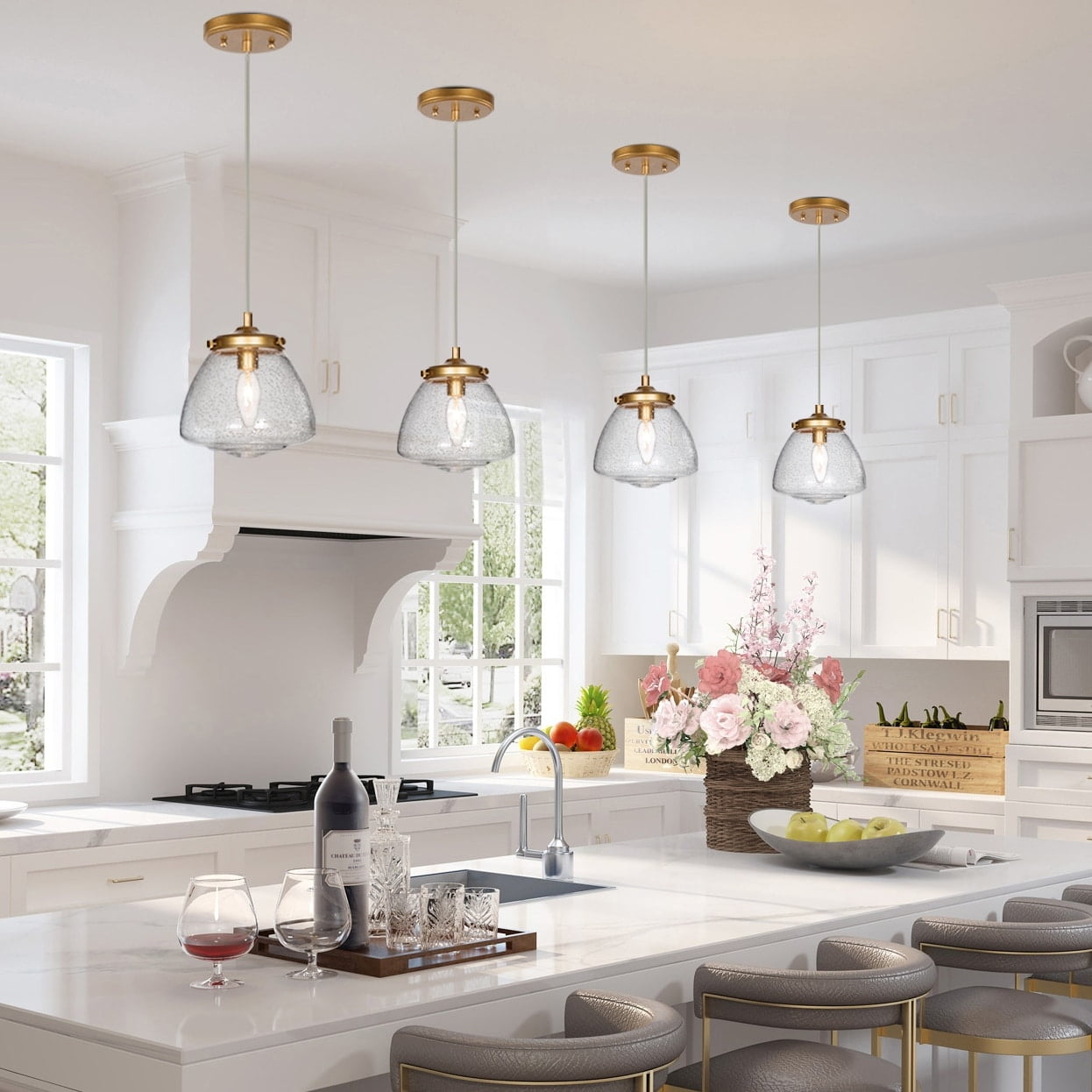
When choosing pendant lights, the option of materials and coatings plays an important function in specifying the general aesthetic. Vintage-inspired styles commonly incorporate materials such as brass, glass, and functioned iron, which stimulate a feeling of nostalgia while staying classic. The cozy radiance of aged brass can develop a welcoming environment, while glass shades add elegance and refinement. Distinctive surfaces, like aging or distressed results, improve the vintage appeal and offer an authentic look. Additionally, ceramic and wood components can present a rustic charm, making them appropriate for various design designs. Ultimately, thoroughly picked materials and completes not just enhance the Pendant light's visual charm yet also effortlessly incorporate into the wider layout narrative of the home.
Blending Periods in Design
The blending of different design eras can produce a aesthetically striking and one-of-a-kind inside that celebrates background and individuality. Vintage-inspired Pendant lights function as an exceptional prime focus, linking the void in between timeless and modern-day styles. An Art Deco component could sympathetically exist together with mid-century contemporary furnishings, providing a dynamic comparison that improves both looks. Integrating components from different periods enables home owners to share their individual preferences while paying tribute to classic styles. Mixing products, such as integrating a rustic wood table with smooth metal fixtures, even more enriches the design. Eventually, this method fosters a split setting, welcoming conversation and admiration for the virtuosity discovered throughout different eras in home layout.

Artisan-Crafted Components for an Unique Touch
Artisan-crafted components provide an unique style that raises any kind of space with their distinct styles and craftsmanship. These lights options are typically hand-crafted, showing the ability and dedication of the craftsmens who develop them. Each piece tells a story, showcasing a blend of contemporary looks and typical strategies. Products such as recovered wood, hand-blown glass, and created steels add to their originality, making them stick out in any decor.
Integrating artisan-crafted necklaces into home design not only boosts aesthetic appeal but also supports neighborhood craftspeople and lasting methods. The complex details and customized touches make these components discussion starters, adding character to living areas. Whether installed over a dining table or in a relaxing reading space, artisan-crafted lights produce a warm and inviting atmosphere, inviting admiration for the creativity behind each piece. This commitment to workmanship warranties that these fixtures act as ageless additions to any type of interior setting.
Statement Parts: Making an Effect With Vibrant Designs
While numerous illumination choices concentrate on subtlety and beauty, statement pieces demand focus with their striking looks and bold styles. These distinctive fixtures serve as focal factors in any type of area, transforming average areas into amazing environments. Commonly characterized by brilliant colors, uncommon forms, or oversized measurements, statement Pendant lights can stimulate solid feelings and spark conversations.
Incorporating these distinct designs into home decoration allows individuals to share their personal style and creative thinking. Whether it's a geometric metallic component that adds a modern edge or a vintage-inspired style that stimulates nostalgia, the right statement piece can elevate the overall atmosphere.
In addition, these strong styles complement various interior designs, from industrial to bohemian. As house owners progressively look for to make impactful choices, declaration Pendant lights are arising as necessary elements in modern design. Their capacity to mix artistry with capability guarantees they remain a popular choice for those seeking to make a lasting perception.
Layering Light: Integrating Pendant Lights With Other Components
Layering light can enhance an area's ambiance by successfully mixing Pendant lights with different fixtures. By integrating different styles and textures, house owners can develop a vibrant visual impact while guaranteeing performance. Employing layered lighting strategies permits versatility, fitting both task and state of mind lighting demands.
Blending Styles and Textures
Integrating Pendant lights with different fixtures can create a vibrant and aesthetically interesting atmosphere in any type of room. When blending styles, it is vital to take right into account corresponding elements that improve the general style. As an example, pairing smooth contemporary Pendant lights with classic wall surface sconces can present a diverse beauty, while industrial fixtures can contrast wonderfully with soft, natural forms. Structures also play a significant function; combining steel, timber, and glass can include depth and intrigue. The interaction of different products not only highlights the Pendant lights yet likewise improves the room's aesthetic. By attentively choosing and layering these elements, a cohesive yet different environment can be accomplished, transforming any type of location right into a charming and inviting environment.
Layered Lighting Techniques
Creating a well-shaped illumination scheme involves more than just choosing pendant lights; it requires a thoughtful integration of various lights resources. Split illumination methods boost an area by combining ambient, job, and accent lights. Pendant lights can serve as the centerpiece, offering ambient illumination while enhancing other components such as wall surface sconces, recessed lights, or table lights. This interaction creates deepness and dimension, permitting versatility in various settings. As an example, in an eating area, a declaration Pendant can be coupled with wall surface sconces to highlight artwork or architectural attributes. In addition, dimmers can be used to change the strength of light, guaranteeing the space is both practical and aesthetically pleasing, eventually changing the general atmosphere.
Picking the Right Dimension and Scale for Your Room
Choosing the appropriate size and range for Pendant lights is necessary to accomplishing a harmonious design in any space. The measurements of the Pendant must match the go to this site location while boosting its visual appeal. As an example, larger pendants can act as prime focus in expansive rooms, creating a strong declaration, while smaller sized fixtures are optimal for intimate settings, supplying refined illumination.
To establish the right dimension, one can utilize the room's height and width as a guideline. A typical method includes adding the space's measurements in feet to discover the excellent size of the Pendant in inches. learn this here now Additionally, the scale must take into consideration the bordering furnishings and decoration; a necklace that is also tiny might obtain shed, while one that is too big can bewilder the space. Inevitably, accomplishing the excellent balance in between dimension and scale permits for a cohesive and inviting ambience in any home.
Tips for Designing and Installing Pendant Lighting
While Pendant lights can dramatically enhance the ambiance of an area, proper designing and installment are necessary to optimizing their impact. To achieve a cohesive appearance, one should consider the general layout style of the room. Blending various Pendant styles can create aesthetic rate of interest, yet preserving a consistent shade palette is essential.
When it concerns setup, elevation plays a crucial duty; hanging necklaces too low can obstruct sights, while placing them as well high can reduce their result. Usually, an elevation of 30 to 36 inches over surface areas like dining tables is advised.
In terms of spacing, a collection of little pendants can make a bold declaration, while a single huge Pendant may act as a focal point. Ensuring ample illumination is critical, so choosing light bulbs that match the Pendant's design boosts both design and performance.
Often Asked Questions
What Are the Best Materials for Pendant Lights?
When thinking about the most effective materials for Pendant lights, metal, textile, and glass stand out. Each material offers unique visual appeals and resilience, enabling flexible designs that can boost various interior styles while providing practical lights options.
How Do I Clean and Maintain Pendant Lights?
Cleansing and maintaining pendant lights calls for normal cleaning, mild cleaning with a wet fabric, and using proper cleansers for specific materials. Making sure bulbs are changed quickly and checking electrical wiring occasionally boosts durability and efficiency.
Can I Use LED Bulbs in All Pendant Fixtures?
The inquiry of using LED light bulbs in Pendant fixtures develops regularly - Pendant Light. Usually, most pendant lights suit LED light bulbs, yet it is crucial to check the manufacturer's specifications to validate compatibility and optimal performance for every fixture
What Is the Average Lifespan of a Pendant Light?
Are Pendant Lights Safe for Areas With Reduced Ceilings?
Pendant lights can be safe for rooms with reduced ceilings if appropriately mounted and selected. Selecting shorter styles assurances appropriate clearance, decreasing threats of unintended call, while keeping visual charm and functionality within compact rooms.
While trends in interior style may change with the seasons, certain Pendant light designs have a long-lasting appeal that goes beyond time. Layering light can enhance a space's setting by properly mixing Pendant lights with various components. Pendant lights can serve as the focal point, giving ambient lighting while matching other components such as wall surface sconces, recessed lights, or table lamps. Selecting the ideal dimension and scale for look at these guys Pendant lights is important to achieving an unified design in any space. In terms of spacing, a cluster of small necklaces can make a strong statement, while a single large Pendant may offer as a focal factor.